Concrete Stabilization in your area
Concrete Stabilization
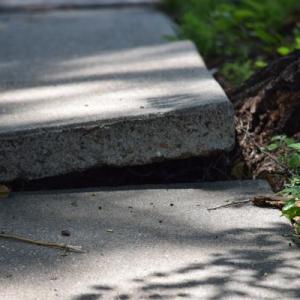
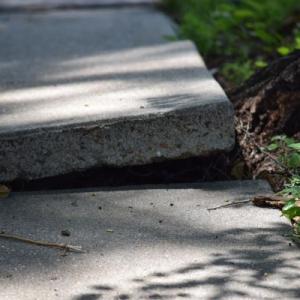
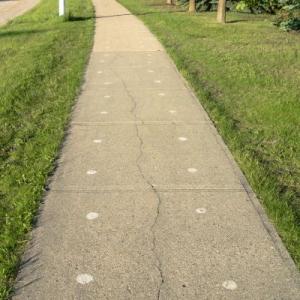
Concrete stabilization offers numerous benefits for both residential and commercial properties. By stabilizing concrete surfaces, you can prevent cracks, sinking, and uneven surfaces, which can lead to safety hazards and costly repairs. Additionally, stabilized concrete provides a durable and long-lasting solution that can withstand heavy foot traffic, vehicle weight, and harsh weather conditions. This helps to extend the lifespan of the concrete, saving you money on maintenance and replacements in the long run. With improved stability and durability, concrete stabilization enhances the overall appearance and value of your property, making it a smart investment for any homeowner or business owner.Soil Stabilization
Soil stabilization offers a wide range of benefits for various construction and infrastructure projects. By improving the engineering properties of soil, stabilization techniques such as adding stabilizing agents or geotextiles can enhance the load-bearing capacity of the ground, reducing settlement and improving overall stability. This results in cost savings by minimizing the need for extensive excavation and replacement of poor soil. Additionally, stabilized soil provides a more durable and long-lasting foundation for roads, pavements, and structures, increasing their lifespan and reducing maintenance requirements. Furthermore, soil stabilization helps to mitigate environmental impacts by reducing erosion, dust generation, and sediment runoff, promoting sustainability in construction practices. Overall, investing in soil stabilization can lead to improved project performance, longevity, and environmental stewardship.Foundation Repair
Foundation repair is a crucial investment for homeowners, offering a multitude of benefits. By addressing foundation issues promptly, you can prevent further structural damage to your home, saving you from costly repairs in the long run. A stable foundation also ensures the safety and stability of your property, protecting you and your family from potential hazards. Additionally, foundation repair can increase the value of your home and improve its overall aesthetics, making it more appealing to potential buyers in the future. Overall, investing in foundation repair is a wise decision that can provide peace of mind and protect your most valuable asset.Pavement Rehabilitation
Pavement rehabilitation offers a multitude of benefits for both infrastructure and communities. By repairing and restoring deteriorating pavements, the safety of road users is significantly improved, reducing the risk of accidents and injuries. Enhanced pavement conditions also lead to smoother rides, reducing vehicle wear and tear and ultimately lowering maintenance costs for drivers. Additionally, well-maintained pavements contribute to improved traffic flow, reducing congestion and travel times. From an environmental perspective, pavement rehabilitation helps minimize the environmental impact of transportation by promoting more efficient and sustainable road networks. Overall, investing in pavement rehabilitation ensures long-term durability, safety, and efficiency of road infrastructure, benefiting both individuals and the broader community.Concrete Stabilization FAQ
Q: What Are The Main Factors That Can Lead To The Destabilization Of Concrete Structures?
Answer: The main factors that can lead to the destabilization of concrete structures include corrosion of reinforcement, excessive loading, poor construction practices, and environmental factors such as freeze-thaw cycles and seismic activity.Q: How Does Weather And Environmental Conditions Impact The Stability Of Concrete?
Answer: Weather and environmental conditions such as temperature, humidity, and precipitation can affect the curing process and strength development of concrete, potentially leading to cracking or reduced durability.Q: Can Concrete Stabilization Techniques Also Improve The Overall Durability And Lifespan Of The Structure?
Answer: Yes, concrete stabilization techniques can improve the overall durability and lifespan of a structure.Q: Are There Any Innovative Or Advanced Methods For Concrete Stabilization That Are Gaining Popularity In The Industry?
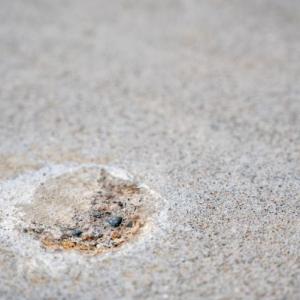
Answer: Yes, advanced methods such as polymer injection, vacuum consolidation, and microbial-induced calcite precipitation are gaining popularity in the concrete stabilization industry.Concrete stabilization is a process that involves strengthening and reinforcing concrete structures to enhance their durability and longevity. This technique is commonly used to repair and prevent damage in concrete surfaces caused by factors such as weathering, moisture, and structural stress. Concrete stabilization methods may include the use of chemical additives, epoxy injections, carbon fiber reinforcement, and other specialized techniques to enhance the structural integrity of concrete. By addressing cracks, spalling, and other forms of deterioration, concrete stabilization helps to restore the strength and stability of concrete surfaces, ensuring their long-term performance and safety. Keywords related to concrete stabilization include concrete repair, structural reinforcement, concrete strengthening, and concrete maintenance.